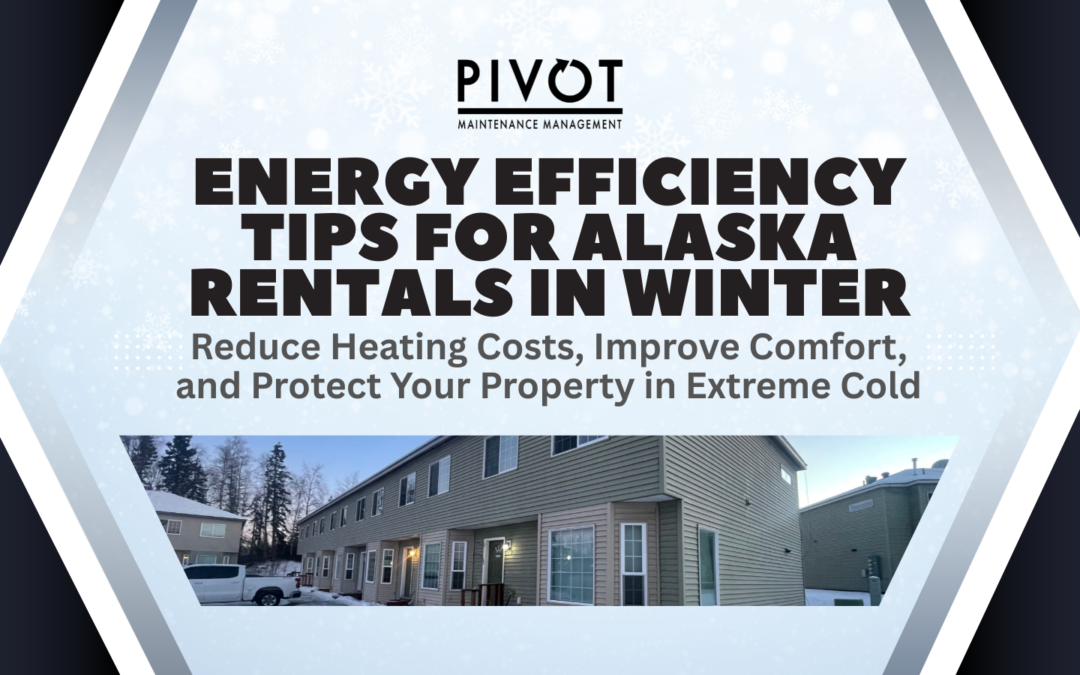
Energy Efficiency Tips for Alaska Rentals in Winter
Winter in Alaska is long, intense, and costly-especially for rental properties. With heating systems running around the clock and temperatures regularly dipping below zero, even small inefficiencies can lead to high utility bills, tenant discomfort, and preventable maintenance issues.
Improving energy efficiency in Alaska rentals isn’t about reducing heat or sacrificing comfort. It’s about keeping warmth where it belongs, reducing unnecessary energy loss, and protecting buildings from cold-weather damage. For landlords and property managers, winter energy efficiency is closely tied to operating costs, tenant satisfaction, and long-term property performance.
This guide outlines practical, Alaska-appropriate energy efficiency tips that can make a meaningful difference during winter.
Why Energy Efficiency Is Critical for Alaska Rentals
Alaska’s climate magnifies inefficiencies. Drafts, poor insulation, or neglected heating systems that might be tolerable elsewhere can become serious problems in prolonged subzero conditions.
Inefficient rentals often experience:
-
Higher heating costs
-
Uneven indoor temperatures
-
Increased risk of frozen pipes
-
More tenant complaints
-
Greater strain on HVAC systems
Addressing energy efficiency helps rentals stay warmer, safer, and more cost-effective throughout the winter season.
Seal Air Leaks to Stop Heat Loss
Air leakage is one of the most common-and fixable-energy problems in winter rentals.
Focus on sealing:
-
Window and door frames
-
Baseboards and trim
-
Utility penetrations
-
Attic hatches and crawl space access points
Simple measures like caulking and weatherstripping can significantly reduce heat loss.
Why it matters: Preventing warm air from escaping allows heating systems to work more efficiently and keeps indoor temperatures stable.
Helpful resource:
The U.S. Department of Energy provides guidance on air sealing and weatherization for cold climates through its Energy Saver program.
Upgrade and Maintain Insulation
Insulation is essential in Alaska rentals, particularly during long winters when heating systems are under constant demand.
High-priority areas include:
-
Attics (one of the biggest sources of heat loss)
-
Exterior-facing walls
-
Crawl spaces and basements
-
Pipe insulation in unheated areas
Improving insulation helps retain heat longer, reduces heating costs, and minimizes cold spots.
Helpful resource:
ENERGY STAR offers insulation recommendations tailored to cold and very cold climates, including R-value guidelines.
Maintain Heating Systems for Efficiency and Reliability
Heating systems operate continuously in Alaska winters, making regular maintenance critical.
Key winter efficiency checks include:
-
Cleaning or replacing filters
-
Inspecting vents and exhausts for snow or ice blockages
-
Testing thermostats for accuracy
-
Monitoring for uneven heating or unusual noises
A well-maintained system uses less energy and is less likely to fail during extreme cold.
Helpful resource:
The Alaska Housing Finance Corporation (AHFC) offers energy efficiency education and programs relevant to cold-climate housing.
Address Drafts and Cold Zones Inside Units
Tenants often report “cold rooms” or drafty areas during winter. These issues usually point to insulation gaps or airflow problems.
Common causes include:
-
Poorly sealed windows
-
Insufficient insulation behind walls
-
Blocked or poorly positioned vents
Resolving drafts improves comfort and reduces the temptation for tenants to rely on space heaters, which can strain electrical systems.
Control Moisture to Improve Heat Retention
Moist air feels colder and reduces insulation effectiveness.
Winter moisture control steps:
-
Ensure bathroom and kitchen exhaust fans work properly
-
Monitor indoor humidity levels
-
Address condensation on windows and walls
-
Fix leaks promptly
Maintaining balanced humidity improves comfort and helps protect building materials.
Helpful resource:
The Centers for Disease Control and Prevention (CDC) provides guidance on indoor air quality and moisture control, especially important in cold climates.
Monitor Vacant and Low-Occupancy Units
Vacant units are particularly vulnerable during winter.
Best practices include:
-
Maintaining minimum safe temperatures
-
Inspecting units regularly
-
Monitoring heating system performance
-
Ensuring pipes remain insulated
Neglecting vacant units often leads to higher repair costs than maintaining consistent heat.
Support Energy-Efficient Tenant Habits
Energy efficiency improves when tenants understand how their actions affect comfort and safety.
Helpful guidance to share with tenants:
-
Keep vents unobstructed
-
Report drafts or heating issues early
-
Use exhaust fans appropriately
-
Avoid unsafe or excessive use of space heaters
Clear communication reduces complaints and supports long-term efficiency goals.
Long-Term Benefits of Winter Energy Efficiency
Improving energy efficiency in Alaska rentals offers benefits beyond lower utility bills:
-
Reduced strain on heating systems
-
Fewer frozen pipe incidents
-
Improved tenant satisfaction and retention
-
Lower emergency repair costs
-
Better long-term property performance
Energy efficiency and winter maintenance go hand in hand-especially in extreme climates.
Why Alaska-Specific Guidance Matters
Energy efficiency strategies that work in milder regions often fall short in Alaska. Extreme cold, snow load, and prolonged winter conditions require climate-specific planning and local experience.
Landlords and property managers looking for Alaska-focused maintenance insight often explore resources provided by PIVOT Maintenance Management. Reaching out through the Contact Us page-can help property owners better prepare for winter energy challenges while protecting both tenants and buildings.
Recent Comments