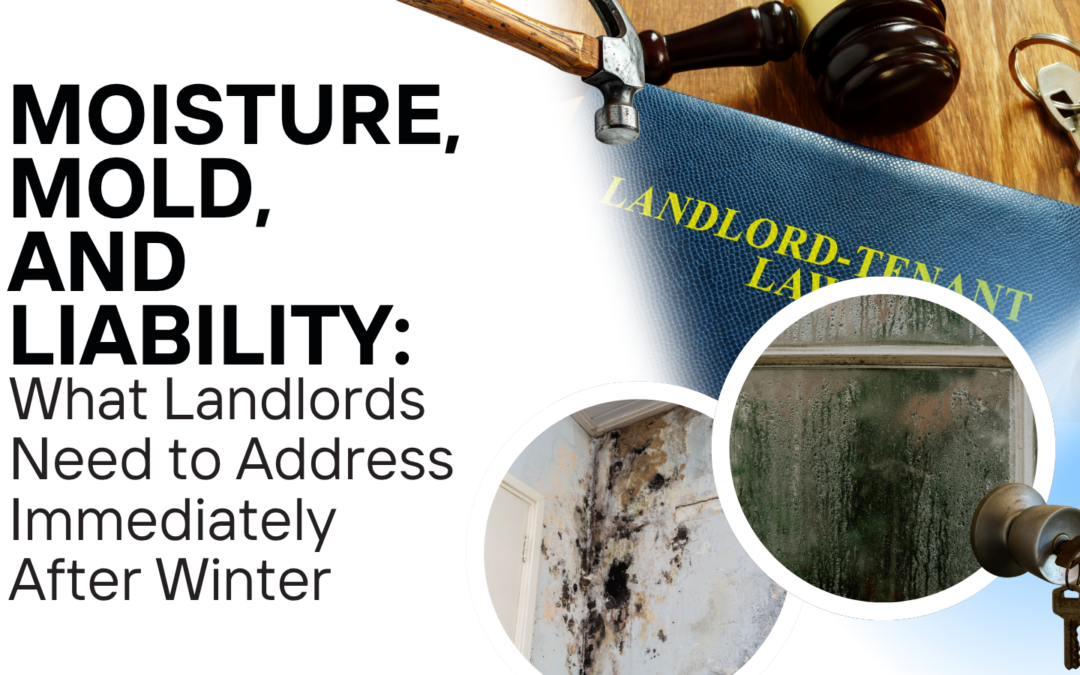
As winter fades across Alaska, many property owners breathe a sigh of relief. But while the snow may be melting, a new set of challenges begins to surface—often hidden behind walls, under flooring, and within ventilation systems.
For landlords, investors, and property managers, spring isn’t just a transition season—it’s a critical inspection window. The combination of melting snow, trapped moisture, and fluctuating temperatures creates the perfect environment for mold growth, structural damage, and potential legal liability.
Understanding what to look for—and acting quickly—can protect your property, your tenants, and your bottom line.
Why Moisture Becomes a Serious Problem After Winter in Alaska
Alaska’s long winters create unique conditions that make moisture issues more severe than in many other regions.
During winter:
- Snow accumulates on roofs and around foundations
- Indoor heating creates condensation inside walls and windows
- Ice dams can trap water beneath roofing materials
When temperatures rise in spring:
- Snow melts rapidly
- Water seeps into roofing, siding, and foundations
- Previously frozen moisture begins to spread
This process often exposes damage that has been building silently for months.
The Link Between Moisture and Mold Growth
Mold doesn’t need much to grow—just moisture, organic material, and time.
Common post-winter mold hotspots include:
- Behind drywall and insulation
- Under carpets and flooring
- Around windows and door frames
- Inside attics and crawl spaces
- Near HVAC systems and ductwork
In many cases, mold begins developing before it becomes visible, making early detection essential.
For a deeper understanding of mold risks and prevention, refer to the Environmental Protection Agency guide on mold and moisture control.
Signs of Moisture and Mold Damage Landlords Should Never Ignore
After winter, a quick walkthrough isn’t enough. You’ll need a more detailed inspection to catch early warning signs.
Watch for:
- Musty or damp odors
- Water stains on ceilings or walls
- Peeling paint or bubbling drywall
- Warped flooring or soft spots
- Condensation on windows beyond normal levels
- Visible mold spots (black, green, or white patches)
Even minor signs can indicate larger hidden issues.
Liability Risks: Why This Matters for Landlords
Moisture and mold are not just maintenance concerns—they can quickly become legal and financial liabilities.
Landlords may face:
- Tenant complaints and lease disputes
- Health-related claims (respiratory issues, allergies)
- Local housing code violations
- Costly remediation requirements
- Potential lawsuits for negligence
In many cases, liability comes down to one question:
Did the landlord take reasonable steps to identify and address the issue?
Failing to act promptly after winter can put property owners in a difficult position.
High-Risk Areas to Inspect Immediately After Winter
A thorough inspection should focus on areas most vulnerable to moisture intrusion:
1. Roofing and Attic Spaces
- Check for leaks caused by ice dams
- Look for wet insulation or wood rot
2. Gutters and Drainage Systems
- Ensure proper water flow away from the property
- Clear debris from winter buildup
3. Foundations and Basements
- Look for cracks or water seepage
- Check sump pumps (if applicable)
4. Windows and Doors
- Inspect seals and caulking
- Watch for condensation damage
5. Plumbing Systems
- Identify leaks from frozen or stressed pipes
Why Spring Is the Best Time for Preventative Action
Spring offers a narrow but critical window to:
- Identify winter-related damage early
- Complete repairs before issues worsen
- Prevent mold from spreading
- Prepare the property for the next seasonal cycle
Delaying action can turn minor fixes into major restoration projects.
Preventative Steps Landlords Can Take Right Now
To reduce risk and protect your investment, consider these proactive measures:
- Conduct a full post-winter inspection (interior and exterior)
- Improve ventilation in high-moisture areas
- Repair leaks and damaged seals immediately
- Clean and maintain gutters and downspouts
- Monitor indoor humidity levels
- Schedule professional assessments for hidden issues
Consistency is key—preventative maintenance is always more cost-effective than reactive repairs.
When a Professional Assessment Makes a Difference
While many issues can be spotted visually, some of the most damaging problems remain hidden.
Professional maintenance evaluations can help:
- Detect moisture behind walls or under flooring
- Identify early mold growth
- Assess structural integrity after winter stress
- Provide documented inspections for compliance and liability protection
For landlords managing multiple properties or remote units—common in Alaska—having a structured maintenance approach can make a significant difference.
Protecting Your Property—and Your Peace of Mind
Spring in Alaska is more than just a seasonal shift—it’s a critical checkpoint for property health.
Moisture and mold issues don’t resolve on their own. Left unchecked, they can impact:
- Property value
- Tenant satisfaction
- Long-term profitability
Addressing these risks early helps ensure your property remains safe, compliant, and financially stable throughout the year.
If you’re unsure what winter may have left behind, exploring professional maintenance resources—such as those available at PIVOT Maintenance Management—can be a practical next step in protecting your investment.
Recent Comments