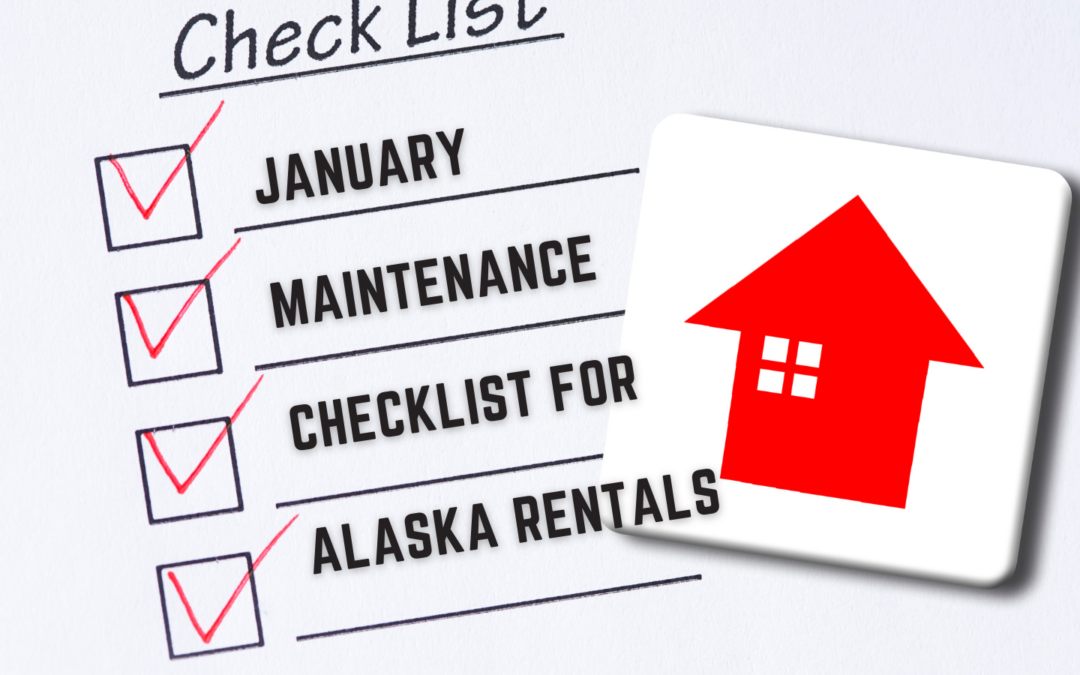
January is one of the most demanding months for rental properties in Alaska. With prolonged subzero temperatures, heavy snow accumulation, and limited daylight, buildings are under constant stress. For landlords and property managers, January is not the time to “wait and see”-it’s the time to monitor, maintain, and respond quickly.
A focused January maintenance checklist helps prevent winter emergencies, reduce tenant complaints, and limit liability risks during the coldest part of the year. This guide outlines the most critical maintenance tasks Alaska rental owners should prioritize in January to protect both tenants and property investments.
Why January Maintenance Is Critical in Alaska
By January, winter conditions are fully established:
-
Snow loads have accumulated
-
Heating systems are running continuously
-
Pipes are exposed to sustained freezing temperatures
-
Ice hazards are at their peak
Issues that began in fall or early winter often escalate in January if not actively managed. Regular inspections and quick responses during this month can prevent costly mid-winter failures that are harder—and more expensive—to fix.
January Maintenance Checklist for Alaska Rentals
1. Heating System Monitoring
Heating systems work hardest in January, making failures more likely.
Checklist:
-
Verify all heating systems are operating efficiently
-
Respond immediately to tenant reports of cold zones or inconsistent heat
-
Check filters, vents, and exhaust outlets for blockages
-
Monitor fuel levels or utility performance
-
Inspect backup heat sources, if applicable
Why it matters: Loss of heat can quickly lead to frozen pipes, unsafe living conditions, and habitability concerns.
2. Frozen Pipe Prevention
Sustained cold increases the risk of frozen or burst pipes—one of the most expensive winter emergencies.
Checklist:
-
Inspect exposed pipes in basements, crawl spaces, and exterior walls
-
Confirm pipe insulation is intact
-
Check vacant or low-occupancy units regularly
-
Investigate reduced water flow immediately
-
Seal drafts near plumbing lines
Why it matters: Early intervention can prevent extensive water damage and insurance claims.
3. Snow and Ice Management
Slip-and-fall hazards peak in January due to repeated freeze-thaw cycles and compacted snow.
Checklist:
-
Schedule consistent snow removal for walkways and parking areas
-
Apply ice melt or sand to high-traffic surfaces
-
Clear stairs, ramps, and emergency exits
-
Inspect exterior lighting for visibility during dark hours
Why it matters: Snow and ice-related injuries are a leading cause of winter liability claims.
4. Roof and Structural Monitoring
By January, roof snow loads may be significant.
Checklist:
-
Monitor roof snow accumulation levels
-
Inspect for signs of ice dams or blocked drainage
-
Look for interior signs of leaks (stains, dripping, moisture)
-
Ensure vents and chimneys remain clear
Why it matters: Excessive snow load and ice dams can lead to roof damage, leaks, or structural strain.
5. Interior Safety and Air Quality
Winter conditions can affect indoor safety and air quality.
Checklist:
-
Test smoke and carbon monoxide detectors
-
Check for condensation buildup on windows or walls
-
Monitor humidity levels to reduce mold risk
-
Ensure ventilation systems are functioning properly
Why it matters: Poor air quality and undetected safety issues can lead to tenant health concerns and complaints.
6. Emergency Preparedness Review
January is the time to ensure emergency plans are ready.
Checklist:
-
Confirm emergency contact information is current
-
Review response procedures for heating failures or pipe bursts
-
Document maintenance inspections and repairs
-
Ensure access to emergency contractors if conditions worsen
Why it matters: Quick, organized responses reduce damage, downtime, and tenant frustration.
Reducing January Emergencies Through Proactive Maintenance
Many winter emergencies are preventable with consistent January monitoring. Proactive maintenance helps:
-
Reduce emergency service calls
-
Lower repair costs
-
Improve tenant satisfaction
-
Demonstrate responsible property management
January is about maintenance momentum—keeping systems stable through the harshest conditions rather than reacting after failure occurs.
Why Alaska Rentals Benefit From Local Expertise
Alaska’s winter conditions require maintenance strategies tailored to extreme cold, snow load, and limited access. Generic checklists often miss critical regional risks.
Property owners and managers seeking Alaska-specific guidance, winter planning tools, or professional support often explore resources provided by PIVOT Maintenance Management. Visiting the PIVOT website-or connecting through the Contact Us page-can help landlords stay prepared throughout the most demanding months of the year.
Recent Comments