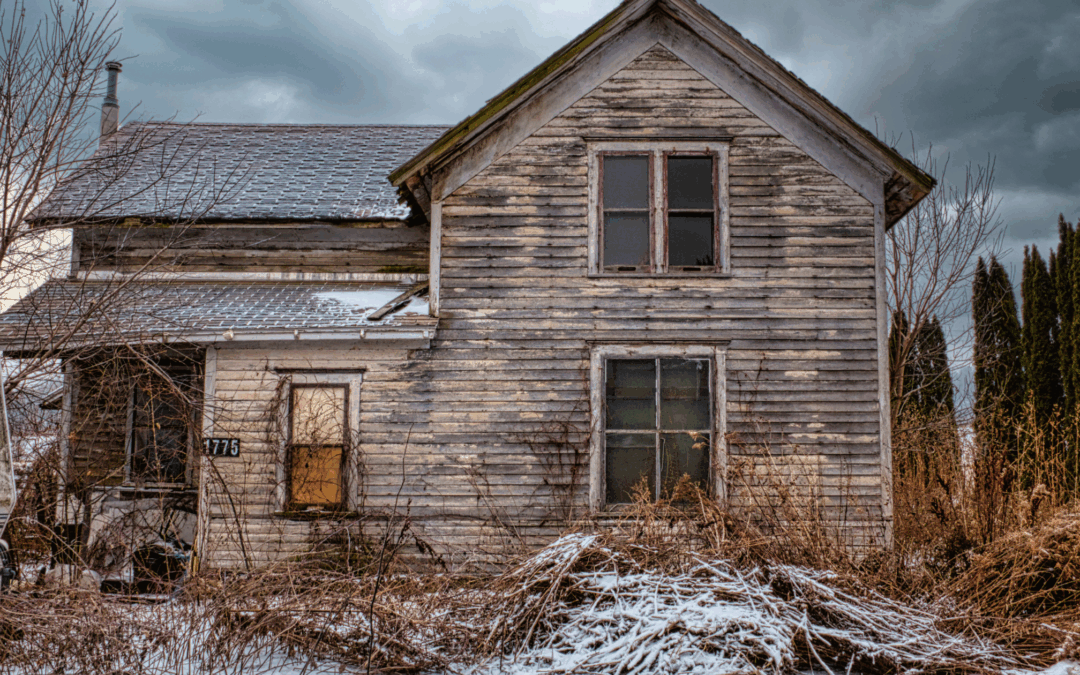
Winter in Alaska is more than cold – it’s extreme, unpredictable, and unforgiving. For property owners and managers, this season exposes every weakness a building may have. What starts as a minor oversight in autumn can become a costly emergency by mid-winter, when temperatures drop fast and repair access becomes difficult.
The harsh reality is that winter is the most expensive season for property neglect in Alaska, and the financial consequences rise dramatically the longer issues go unresolved.
Understanding why winter amplifies property damage – and how to prevent it – is crucial to protecting both residential and commercial investments across the state.
The Hidden Cost of Winter Neglect
Most property damage doesn’t begin in winter. It begins in the months prior – often unnoticed, ignored, or underestimated. Once the cold hits, however, those unresolved problems become magnified.
Here’s why winter is so costly for neglected properties:
1. Extreme Cold Accelerates Damage
Subzero temperatures cause materials to contract, making pre-existing vulnerabilities worse.
Cracks expand. Insulation weaknesses grow. Heating systems strain.
When a building is unprepared, Alaska’s cold turns minor issues into major structural or mechanical failures – fast.
2. Frozen Pipes Lead to Major Water Damage
One of the biggest winter property expenses in Alaska comes from frozen and burst pipes.
When pipes freeze:
- Water pressure spikes
- Pipes burst or split
- Flooding begins the moment ice thaws
Water damage can destroy flooring, drywall, electrical systems, and property interiors within hours. The cost of repairs often reaches thousands to tens of thousands of dollars, especially when discovered late in remote or vacant properties.
3. Roof Failures Caused by Heavy Snow Load
Alaska roofs carry one of the heaviest snow loads in the country.
Neglected roofs face:
- Leaks
- Structural sagging
- Ice dams
- Full or partial collapse
Even a small roof issue left unaddressed in fall can become a major structural problem by February. The longer snow sits, the more weight compounds – and the risk (and repair cost) rises significantly.
4. Ice Dams Allow Water Into the Home
Ice dams form when heat escapes from the interior and melts roof snow, which refreezes at the edges.
Neglecting proper ventilation or insulation can lead to:
- Water seeping under shingles
- Mold growth
- Damaged insulation
- Shortened roof lifespan
This is one of the most common causes of winter roof leaks and interior ceiling damage across Alaska.
5. Heating System Failures Become Emergency Hazards
When heating systems fail in Alaska’s extreme cold, it’s more than an inconvenience. It’s a crisis.
Unaddressed issues such as:
- Dirty filters
- Worn-out parts
- Blocked vents
- Old or neglected furnaces
…can lead to complete system shutdowns.
Inside temperatures drop rapidly, increasing the risk of frozen pipes, resident displacement, and unsafe living conditions.
6. Emergency Repairs Cost More in Winter
Even simple repairs become expensive in winter due to:
- Hazardous weather conditions
- Limited daylight hours
- Delayed access to remote properties
- Higher demand for contractors during peak season
In many parts of Alaska, some repairs can’t be performed until temperatures rise – meaning damage continues to worsen while waiting.
The Hidden Cost of “Waiting Until Spring”
Many property owners hope minor issues will wait until spring. Unfortunately, winter doesn’t freeze problems in place – it makes them worse.
When issues are ignored:
- Moisture spreads
- Ice expands into cracks
- Snow load increases
- Mold grows in cold, wet spaces
- Small mechanical issues become full replacements
By spring, repair bills are often two to three times what they would have cost with early intervention.
How Alaska Property Owners Can Reduce Winter Costs
1. Conduct a Pre-Winter Inspection
Identifying weak points early prevents major failures.
Inspect:
- Roofing
- Plumbing
- Heating systems
- Ventilation
- Exterior caulking and sealing
- Gutters and downspouts
A detailed assessment in fall is one of the best ways to reduce winter expenses.
2. Improve Insulation and Air Sealing
This reduces:
- Heating bills
- Risk of ice dams
- Pressure on HVAC systems
- Cold zones where pipes freeze
Attics and crawl spaces are top priorities.
3. Schedule Regular Snow and Ice Management
Consistent snow removal prevents:
- Roof strain
- Blocked vents
- Ice dam formation
- Overloaded structures
It also improves safety for tenants and visitors.
4. Monitor Heating Systems Closely
Routine servicing reduces the risk of:
- Breakdowns
- Carbon monoxide leaks
- Emergency service calls
Proper ventilation and clean filters alone can prevent many winter failures.
5. Establish a Winter Maintenance Plan
Having reliable support in place ensures faster response times during emergencies and better long-term property safety.
For property owners who want a structured, reliable system for winter maintenance, exploring trusted local solutions – like those offered on the PIVOT Maintenance Management website – can provide clarity, resources, and professional options tailored to Alaska’s climate.
Why Winter Neglect Is Costlier in Alaska Than Anywhere Else
Alaska’s extreme environment makes it uniquely vulnerable. Intense cold, heavy snowfall, limited daylight, and remote locations combine to create conditions where any neglected property issue ends up costing significantly more to fix.
While not every problem can be prevented, many can be controlled with proactive planning, consistent inspections, and timely maintenance.
If you manage properties, own rentals, or simply want to protect your home investment, winter preparation is not optional – it’s essential.
To learn more about effective winter property care, explore the resources and guidance available at PIVOT Pro Tips or connect through the Contact Us page for additional support.
Recent Comments