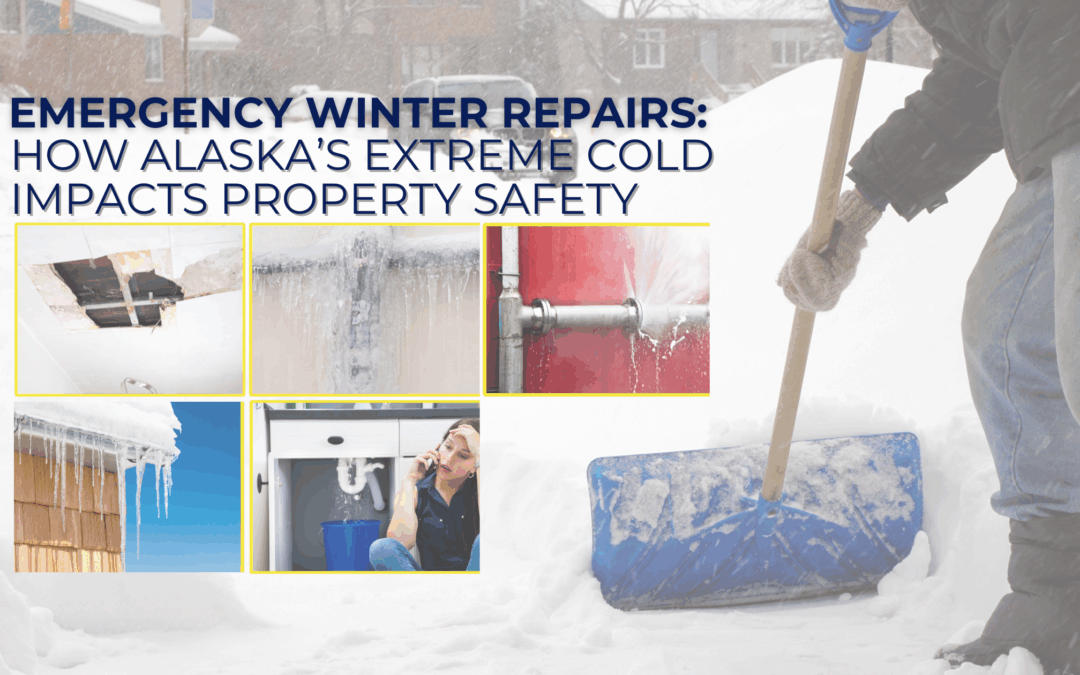
Alaska’s winter season is unlike any other in the United States. With temperatures that can plunge far below zero, extended periods of darkness, high winds, and relentless snowfall, the environment places significant stress on residential and commercial properties. While winter maintenance is important everywhere, in Alaska it becomes a matter of safety, prevention, and operational survival.
Understanding how extreme cold affects buildings—and taking proactive steps to mitigate damage—is essential for property owners, landlords, and managers across the state. This article explores the most common winter-related property hazards in Alaska, why they happen, and how effective maintenance planning can prevent costly emergencies.
Why Alaska’s Winter Conditions Are Different
Extreme cold is more than just uncomfortable. It changes how building materials behave, how mechanical systems function, and how quickly small issues can escalate. Several unique winter factors contribute to accelerated deterioration:
1. Subzero Temperatures
Temperatures reaching –20°F to –40°F (or lower) can cause:
- Rapid contraction of materials
- Increased brittleness in pipes and HVAC components
- Higher risk of mechanical failure due to ice buildup
2. Heavy Snow and Ice Loads
Roofs in Alaska often shoulder thousands of pounds of cumulative snow load. Without proper reinforcement and maintenance, the risk of structural compromise rises dramatically.
3. Ice Dams
Heat escaping from the interior can melt roof snow, which then refreezes at the edges. This creates ice dams that trap water under shingles, eventually causing:
- Leaks
- Mold growth
- Insulation damage
4. Limited Daylight
Reduced daylight hours impact heating needs and slow down troubleshooting and repair work.
5. Unpredictable Storm Cycles
Blizzards, high winds, and rapid temperature shifts stress property systems in ways that standard building codes outside Alaska may not anticipate.
Emergency Winter Repairs: The Most Common Property Threats in Alaska
1. Frozen and Burst Pipes
Perhaps the most frequent winter emergency, frozen pipes can burst due to expanding ice. The resulting water damage can be catastrophic, especially if discovered late in remote or vacant properties.
Warning signs include:
- Reduced water flow
- Frost on exposed piping
- Unusual sounds from plumbing
Preventive insulation, heat tape installation, and monitoring temperature-sensitive zones are essential.
2. Heating System Failure
In Alaska, a broken heating system isn’t just an inconvenience—it’s a safety hazard.
Common causes:
- Fuel line freeze-ups
- Exhaust vent blockages
- Overworked furnaces
- Lack of routine system servicing
A single outage can cause interior temperatures to drop quickly enough to endanger both residents and property infrastructure.
3. Roof Collapse or Damage
Heavy snow and ice can compromise roofs, especially older structures or those not built for extreme loads.
Structural strain can result in:
- Bowing
- Cracking
- Leaks
- Full or partial collapse
Proactive snow removal and regular roof integrity checks are crucial in preventing these emergencies.
4. Ice Dam Water Intrusion
Ice dams push melting snow back into roof layers, causing water to seep into walls, ceilings, and insulation.
Consequences include:
- Mold and mildew
- Indoor air quality issues
- Warped walls or ceilings
- Long-term structural deterioration
Ventilation improvements and attic heat regulation can reduce this risk dramatically.
5. Electrical Overload and Fire Hazards
Extreme cold increases reliance on space heaters, generator systems, and high-power appliances. This can push older electrical systems beyond their limits.
Signs to watch for:
- Flickering lights
- Warm outlets
- Frequent breaker trips
Preventive inspection before winter can help avoid outages—or worse, fire emergencies.
Winter Maintenance Tips to Reduce Emergency Repairs
1. Conduct Pre-Winter Safety Inspections
Inspect:
- Roofing and gutters
- HVAC system efficiency
- Plumbing insulation
- Electrical panels and wiring
- Outdoor access points for ice hazards
Early detection saves thousands of dollars in emergency repairs.
2. Improve Insulation Throughout the Property
Better insulation means:
- Lower heating expenses
- Reduced ice dam formation
- More stable indoor temperatures
Particularly focus on attics, crawl spaces, and exterior-facing pipes.
3. Schedule Regular Snow and Ice Removal
Heavy snow accumulation can cause:
- Roof strain
- Blocked ventilation
- Higher melting/refreezing cycles
Whether self-managed or contracted, consistent removal protects structural integrity.
4. Establish an Emergency Response Plan
Winter emergencies happen fast. Property managers should have:
- A list of emergency contacts
- A preventative maintenance calendar
- Quick-response protocols
- Remote monitoring solutions for vacant units
This ensures issues are addressed before they worsen.
Why Strategic Maintenance Management Matters
Effective property safety in Alaska’s climate isn’t about reacting – it’s about anticipating. Well-managed maintenance prevents emergencies, preserves property value, and ensures the safety of tenants and building occupants.
Organizations that prioritize preventative maintenance and timely winter care dramatically reduce the risk of costly, disruptive, or dangerous winter events. Property owners who want to stay ahead of the season often partner with experts who understand Alaska’s unique climate challenges.
For those seeking deeper insight into property maintenance solutions designed specifically for Alaska’s environment, exploring trusted local resources—such as PIVOT Maintenance Management – can be incredibly valuable.
Recent Comments