Property maintenance is often viewed as a reactive task. Something breaks, someone calls, and repairs are made. But experienced landlords and property managers know that waiting for problems to happen is one of the most expensive ways to manage a property.
Preventative maintenance shifts the mindset from reacting to issues toward actively preventing them before they become costly emergencies. Whether managing a single rental unit or an entire portfolio of properties, preventative maintenance helps reduce long-term expenses, improve tenant satisfaction, and protect the value of the property itself.
In regions with extreme seasonal weather conditions like Alaska, preventative maintenance becomes even more important. Harsh winters, freezing temperatures, snow accumulation, and seasonal wear can quickly turn small overlooked issues into expensive repair situations.
What Is Preventative Maintenance?
Preventative maintenance refers to scheduled inspections, servicing, and repairs performed before equipment or systems fail. Instead of waiting for a furnace to stop working in the middle of winter or a pipe to burst unexpectedly, preventative maintenance identifies warning signs early.
Examples include:
- HVAC inspections before winter
- Roof and gutter cleaning before snowfall
- Plumbing leak checks
- Water heater servicing
- Smoke detector testing
- Electrical inspections
- Caulking and weatherproofing
- Appliance maintenance
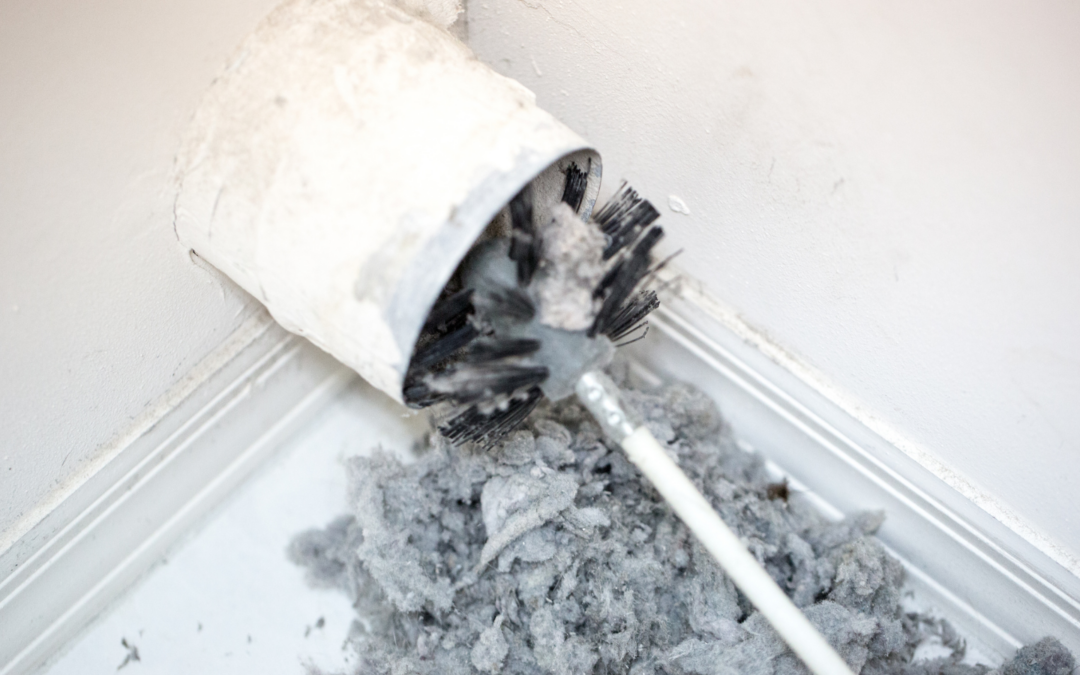
- Drain cleaning
- Exterior property inspections
The goal is simple: address minor issues before they become major emergencies.
The Hidden Cost of Emergency Repairs
Emergency repairs are almost always more expensive than planned maintenance. The costs go far beyond the repair itself.
1. Higher Labor Costs
Emergency service calls often happen after hours, during weekends, or in severe weather conditions. Contractors typically charge premium rates for urgent repairs.
For example:
- A scheduled plumbing inspection may cost significantly less than an emergency pipe burst repair during freezing weather.
- Routine furnace maintenance is far cheaper than replacing a failed heating system during peak winter demand.
2. Property Damage Multiplies Quickly
A small issue can escalate rapidly when ignored.
A minor roof leak may eventually lead to:
- Mold growth
- Ceiling damage
- Insulation replacement
- Electrical hazards
- Structural deterioration
Similarly, neglected plumbing leaks can damage flooring, drywall, cabinetry, and even neighboring units in multifamily properties.
3. Tenant Dissatisfaction and Turnover
Tenants expect safe and functional living conditions. Frequent emergencies create frustration and reduce tenant confidence in property management.
When maintenance issues remain unresolved or repeatedly occur:
- Tenant retention decreases
- Negative reviews increase
- Vacancy rates rise
- Leasing becomes more difficult
High tenant turnover can become one of the largest operational expenses for landlords due to cleaning, repairs, marketing, and lost rental income.
Preventative Maintenance Extends Property Lifespan
Every system inside a property has a lifespan. Preventative maintenance helps maximize it.
Routine servicing helps:
- HVAC systems run efficiently longer
- Roofing materials last closer to their full expected lifespan
- Plumbing systems avoid corrosion buildup
- Appliances perform more reliably
- Electrical systems remain safer
Replacing major systems prematurely due to neglect can significantly affect property profitability.
According to the U.S. Department of Energy, proper HVAC maintenance can improve system efficiency and reduce energy consumption. Similarly, the Environmental Protection Agency (EPA) notes that small leaks can waste thousands of gallons of water annually if left unresolved.
Seasonal Maintenance Matters More in Alaska
Alaska’s climate presents unique maintenance challenges that property owners cannot afford to overlook.
Winter Risks
During winter months, preventative maintenance becomes critical for:
- Heating systems
- Frozen pipes
- Ice dams
- Snow load on roofs
- Draft prevention
- Insulation performance
A heating failure during freezing temperatures is not simply inconvenient — it can create serious property damage and safety risks.
Spring Thaw Problems
As temperatures rise:
- Roof leaks may appear
- Drainage issues become visible
- Foundation cracks can worsen
- Moisture intrusion increases
Seasonal inspections help identify these issues early before they grow into larger structural concerns.
Predictable Maintenance Creates Better Budgeting
Emergency repairs are unpredictable and financially disruptive.
Preventative maintenance allows landlords and property managers to:
- Forecast expenses more accurately
- Plan repairs strategically
- Avoid sudden large repair bills
- Prioritize long-term improvements
This creates more stable operating costs and reduces financial surprises throughout the year.
Instead of replacing an entire system unexpectedly, property owners can prepare for upgrades gradually and budget accordingly.
Preventative Maintenance Improves Safety
Routine inspections help identify potential hazards before accidents occur.
This includes:
- Faulty wiring
- Carbon monoxide risks
- Water intrusion
- Loose handrails
- Fire hazards
- Unsafe walkways
- Structural deterioration
Maintaining safe living conditions protects both tenants and property owners while reducing liability risks.
Technology Makes Preventative Maintenance Easier
Modern property maintenance platforms and digital management systems now make preventative maintenance easier to organize and track.
Property managers can:
- Schedule recurring inspections
- Track maintenance history
- Assign work orders
- Monitor seasonal tasks
- Maintain communication with vendors and tenants
Having organized maintenance records also helps improve operational efficiency and provides documentation for future property evaluations or insurance claims.
Small Repairs Today Prevent Major Expenses Tomorrow
One of the biggest misconceptions in property management is believing that postponing maintenance saves money. In reality, delayed maintenance usually increases costs over time.
Examples:
- Replacing worn caulking prevents water damage
- Cleaning gutters prevents roof deterioration
- Servicing HVAC systems prevents emergency replacements
- Sealing cracks reduces heating costs and moisture intrusion
Minor maintenance tasks may seem small individually, but collectively they protect the long-term condition of the property.
Building a Preventative Maintenance Plan
A successful preventative maintenance strategy typically includes:
Monthly Tasks
- HVAC filter replacement
- Smoke detector testing
- Leak inspections
- Common area checks
Quarterly Tasks
- Drain inspections
- Appliance servicing
- Exterior walkthroughs
- Safety inspections
Seasonal Tasks
- Winterization
- Roof inspections
- Snow removal preparation
- Gutter cleaning
- Landscaping checks
Annual Tasks
- Water heater flushing
- Deep HVAC servicing
- Electrical inspections
- Structural assessments
Consistency is the key to making preventative maintenance effective.
Final Thoughts
Preventative maintenance is not simply about avoiding repairs. It is about protecting investments, improving tenant experiences, maintaining safety, and reducing long-term operating costs.
Emergency repairs will always happen occasionally, but relying on reactive maintenance as the primary strategy often leads to higher expenses, operational stress, and avoidable property damage.
For landlords and property managers looking to operate more efficiently, preventative maintenance is one of the smartest long-term decisions they can make.
Property owners who prioritize regular maintenance often experience fewer emergencies, better tenant retention, and more predictable property performance over time.
To learn more about maintenance management strategies, seasonal property care tips, and operational resources for landlords and property managers, visit the PIVOT Resources or explore the Contact Page for additional support and information.
Recent Comments