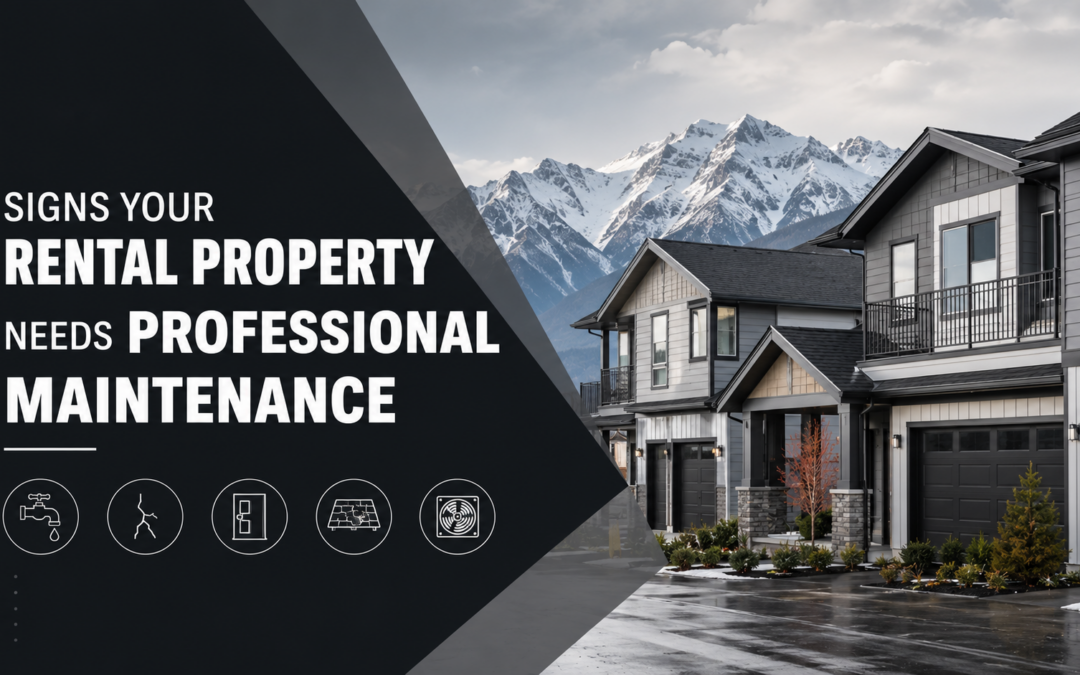
How to Identify Small Problems Before They Become Costly Repairs
Owning or managing a rental property comes with ongoing maintenance responsibilities. While some repairs are obvious, many maintenance issues develop gradually and remain unnoticed until they become expensive emergencies.
A small roof leak can lead to mold growth. A slow plumbing leak can damage flooring and walls. A worn HVAC system may quietly increase utility costs before it fails altogether.
Recognizing the early signs that your rental property needs professional maintenance can help protect your investment, improve tenant satisfaction, and reduce long-term repair costs.
For landlords and property managers in Anchorage and throughout Alaska, proactive maintenance is especially important. Extreme seasonal weather, freezing temperatures, snow accumulation, and freeze-thaw cycles place additional stress on residential and commercial properties.
This guide explains the most common warning signs that indicate your rental property may need professional maintenance and why addressing them early matters.
Why Professional Maintenance Matters
Maintenance isn’t just about fixing broken items. It’s about preserving the safety, efficiency, and long-term value of a property.
Professional maintenance helps:
-
Prevent emergency repairs
-
Extend the life of building systems
-
Improve tenant retention
-
Protect structural components
-
Reduce operating costs
-
Maintain property value
-
Identify hidden issues before they worsen
Routine inspections often reveal problems that tenants may not notice or report.
1. Water Stains or Moisture Damage
Water damage is one of the most common—and expensive—maintenance issues.
Inspect for:
-
Ceiling stains
-
Bubbling paint
-
Soft drywall
-
Damp flooring
-
Mold growth
-
Musty odors
These may indicate:
-
Roof leaks
-
Plumbing leaks
-
Window seal failures
-
Foundation moisture
-
Poor drainage
The sooner moisture problems are addressed, the less likely they are to cause structural damage or unhealthy indoor conditions.
2. Rising Utility Bills
Unexpected increases in utility costs may signal maintenance issues rather than higher usage.
Common causes include:
-
Poor insulation
-
Air leaks
-
Aging HVAC equipment
-
Damaged weather stripping
-
Failing windows
-
Blocked ventilation
According to the U.S. Department of Energy, regular maintenance and proper air sealing can improve energy efficiency and lower operating costs.
3. Roof Problems
Your roof protects every part of the property beneath it.
Watch for:
-
Missing shingles
-
Damaged flashing
-
Sagging areas
-
Granule loss
-
Interior ceiling stains
-
Overflowing gutters
Alaska’s heavy snow loads and freeze-thaw cycles make seasonal roof inspections especially important.
4. Cracks Around Windows, Doors, or Foundations
While minor settling can occur naturally, expanding cracks or multiple cracks may indicate larger concerns.
Inspect for:
-
Foundation cracks
-
Stair-step masonry cracks
-
Cracks around door frames
-
Window separation
-
Interior drywall cracks
Professional evaluation can determine whether repairs are cosmetic or structural.
5. Doors and Windows No Longer Close Properly
If doors begin sticking or windows become difficult to open, the issue may be more than normal wear.
Possible causes include:
-
Foundation movement
-
Moisture intrusion
-
Structural settling
-
Frame distortion
Addressing these issues early can prevent additional damage to surrounding materials.
6. Plumbing Leaks or Water Pressure Changes
Plumbing problems often begin quietly.
Look for:
-
Dripping faucets
-
Low water pressure
-
Slow drains
-
Water stains under sinks
-
Running toilets
-
Pipe condensation
The U.S. Environmental Protection Agency (EPA) notes that even small leaks can waste thousands of gallons of water each year.
7. HVAC Isn’t Performing Like It Used To
A heating or ventilation system often provides warning signs before it fails.
Watch for:
-
Uneven room temperatures
-
Weak airflow
-
Strange noises
-
Frequent cycling
-
Excess humidity
-
Increased energy bills
Routine servicing can improve efficiency and help extend equipment life.
8. Exterior Damage
Walk around the property regularly and inspect:
-
Siding
-
Trim
-
Caulking
-
Gutters
-
Decks
-
Walkways
-
Stairs
-
Railings
Small exterior issues can quickly lead to moisture intrusion if ignored.
9. Mold, Mildew, or Persistent Odors
A musty smell often indicates hidden moisture.
Inspect:
-
Crawl spaces
-
Basements
-
Utility rooms
-
Bathrooms
-
Around windows
-
Under sinks
The Centers for Disease Control and Prevention (CDC) recommends addressing moisture issues quickly because mold requires moisture to grow.
10. Frequent Tenant Maintenance Requests
If tenants repeatedly report similar issues, the property may need more than routine repairs.
Common recurring complaints include:
-
Leaking faucets
-
HVAC problems
-
Electrical issues
-
Drafty windows
-
Roof leaks
-
Moisture concerns
Recurring maintenance requests often indicate an underlying issue that should be addressed comprehensively.
11. Landscaping or Drainage Problems
Poor drainage affects more than curb appeal.
Inspect for:
-
Standing water
-
Soil erosion
-
Blocked gutters
-
Downspouts draining near foundations
-
Overgrown vegetation
Proper drainage helps protect foundations, siding, and crawl spaces from excess moisture.
12. Deferred Maintenance Is Adding Up
When multiple small repairs remain unresolved, larger problems often follow.
Signs include:
-
Temporary patch repairs
-
Aging equipment
-
Unfinished work orders
-
Declining property appearance
-
Increasing emergency calls
A preventative maintenance plan helps reduce long-term costs while improving the property’s overall condition.
Create a Preventative Maintenance Schedule
An effective maintenance plan may include:
Monthly
-
Plumbing checks
-
HVAC filter replacement
-
Leak inspections
-
Safety equipment testing
Quarterly
-
Roof observations
-
Exterior walkthroughs
-
Drainage inspections
-
Mechanical system reviews
Seasonally
-
Roof inspections
-
Gutter cleaning
-
Exterior caulking checks
-
Foundation inspections
-
Crawl space evaluations
Routine maintenance helps identify problems early and keeps repair costs more predictable.
Final Thoughts
Rental properties rarely develop major problems overnight. More often, they show small warning signs that become larger issues when ignored.
Water stains, rising utility bills, roof damage, plumbing leaks, and recurring tenant maintenance requests all deserve attention. Addressing these concerns early helps protect your investment, improve tenant satisfaction, and reduce the likelihood of costly emergency repairs.
Whether you own a single rental home or manage multiple properties, routine inspections and professional maintenance are among the best ways to keep your property safe, efficient, and well-maintained throughout every season.
For more maintenance guides, seasonal inspection checklists, and practical resources for landlords and property managers, visit our Resource Page. You can also explore our Pro Tips page to learn more about preventative maintenance strategies and property care throughout Anchorage and surrounding Alaska communities.
Frequently Asked Questions
What are the first signs a rental property needs professional maintenance?
Common warning signs include water stains, plumbing leaks, roof damage, rising utility bills, mold, foundation cracks, HVAC problems, and recurring tenant maintenance requests.
How often should landlords inspect rental properties?
Most rental properties benefit from monthly visual inspections, quarterly system evaluations, and comprehensive seasonal inspections, especially before and after Alaska’s winter.
Why is preventative maintenance important for rental properties?
Preventative maintenance helps reduce emergency repairs, improve tenant satisfaction, extend the life of building systems, and protect long-term property value.
Recent Comments